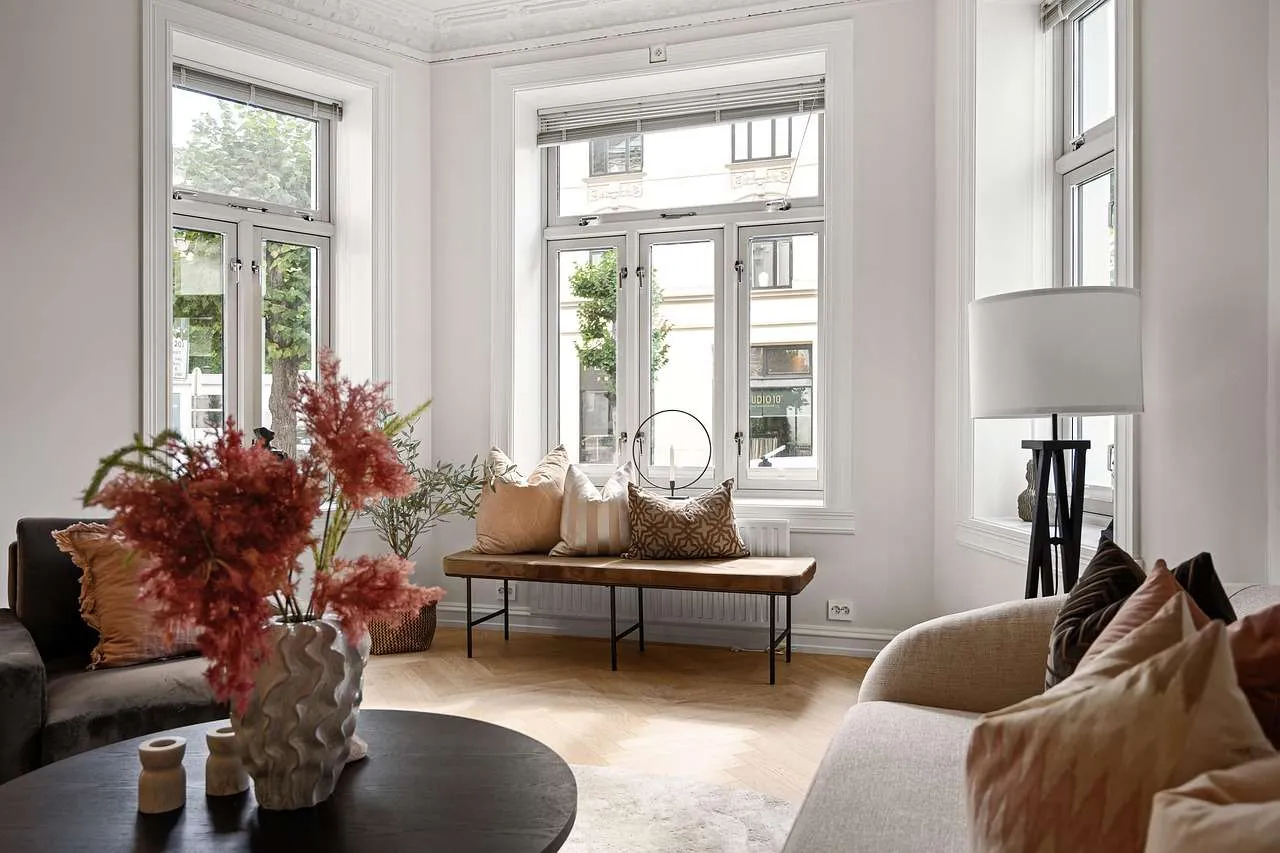
What is home window tinting?
Home window tinting involves applying a thin film to interior or exterior glass to reduce heat gain, block UV rays, minimize glare, and enhance privacy without sacrificing natural light. Modern tint films offer clear visibility while delivering solar control, improving indoor comfort and protecting furnishings from fading. For homeowners seeking a practical upgrade with measurable energy and comfort benefits, home window tinting is a well-proven option.
Benefits of home window tinting
Investing in window tinting is about more than aesthetics; it is a strategy for long term comfort, energy efficiency, and interior protection. Below are the core advantages homeowners should expect.
UV protection and fading prevention
High quality window films block a large percentage of ultraviolet radiation, reducing sun-related fading of fabrics, carpets, and artwork. By limiting UV exposure, tinting helps preserve the color and integrity of interior finishes over time.
Heat reduction and energy savings
Tint films reflect or absorb a portion of solar heat, lowering peak indoor temperatures and easing the load on heating and cooling systems. This can translate into noticeable energy savings, especially during hot seasons, and can improve overall comfort in living spaces and rooms with large glass areas.
Glare reduction and improved comfort
Glare from direct sun can cause eye strain and disrupt activities such as reading or watching screens. Tinting reduces glare while preserving daylight, making living and working areas more comfortable throughout the day.
Privacy, safety, and design
Even mid-range tint levels add daytime privacy and can deter intruders by obscuring the view into your home. Some films also add an extra layer of safety by holding shattered glass together in case of impact, which is especially valuable in homes near busy streets or with children and pets.
Long‑term value and maintenance
Well-installed tint films are durable and easy to clean with standard glass cleaners. They can extend the life of windows and furnishings, and most reputable films come with warranties that guard against bubbling, cracking, or delamination for a defined period.
Types of tint films for homes
Choosing the right film depends on goals, budget, and local climate. Each type has distinct performance characteristics and maintenance needs.
Dyed films
Dyed films provide a budget-friendly option with noticeable shade. They absorb heat but can fade over time and may require replacement sooner than higher-end films.
Metalized films
These films reflect a portion of solar energy for strong heat reduction and UV blocking. They can, however, interfere with signal reception for some devices and may create a mirrored look from the outside.
Ceramic films
Ceramic films offer excellent heat control, high UV rejection, and minimal signal interference. They are durable and maintain color well but come at a higher upfront cost.
Hybrid films
Hybrid options blend dye and metal components to balance price, performance, and reduced glare. They are a popular middle-ground choice for many homeowners.
Professional installation vs DIY
Professional installation is often worth the investment for accuracy, warranty protection, and long-term performance. Professionals typically measure, cut, and apply films with precision, ensuring bubble-free results and consistent tint across all panes. DIY kits exist, but improper application can lead to bubbles, peeling, or uneven edges, potentially voiding warranties and reducing effective UV protection.
What to expect from a professional
A qualified installer will assess glass type, frame condition, and sun exposure patterns, discuss tint levels that comply with local guidelines, and provide a written warranty. Expect surface preparation, cleanroom-style installation, and post-installation inspection to confirm performance and aesthetics.
DIY considerations
If you choose to DIY, select a reputable film and follow manufacturer instructions carefully. Work in a clean environment, use appropriate squeegees and blades, and be prepared for rework if air bubbles appear. Remember that some warranties require professional installation to remain valid.
Choosing a reputable installer and warranties
To meet EEAT standards, prioritize installers with verifiable credentials, experience with residential projects, and clear warranty terms. Look for:
- Licensing and insurance information
- Film brand endorsements and manufacturer warranties
- Written estimates, timeline, and post-installation care guidance
- Customer reviews and case studies documenting prior work
Ask about the expected life of the film, coverage for bubbling or peeling, and whether the warranty transfers if you move. Certified installers from recognized associations often provide higher confidence in service and outcomes.
Costs, return on investment, and maintenance
Costs vary by film type, window size, and installation complexity. Expect a range that reflects materials and labor, with durable ceramic and hybrid films at a higher upfront price but greater long-term savings and visibility. Maintenance is straightforward: clean with non-ammonia cleaners, avoid abrasive tools, and address any edge lifting promptly to protect adhesion. Regular inspections help extend film life and sustain clarity and performance.
Regulatory considerations and long-term care
While home window tinting is less tightly regulated than automotive tinting, local building codes, HOA rules, and neighborhood covenants may influence permitted film levels and aesthetics. Always verify local requirements before selecting a tint level. Regular cleaning and periodic professional inspections help preserve the film’s performance and prevent long-term issues.
Comparison at a glance
| Film Type | UV Protection | Heat Reduction | Privacy | Durability | Considerations |
|---|---|---|---|---|---|
| Dyed | Moderate | Moderate | Low to Moderate | Moderate | Budget option; may fade over time |
| Metalized | High | High | Moderate | High | Potential glare and signal interference |
| Ceramic | Very High | Very High | High | Very Durable | Higher upfront cost |
| Hybrid | High | High | Moderate | High | Balanced performance |
Conclusion, home window tinting offers measurable comfort, energy efficiency, and interior protection when chosen and installed by a skilled professional. By understanding film types, aligning with local rules, and selecting a reputable installer with strong warranties, homeowners can achieve a lasting upgrade that enhances living spaces and protects investments.