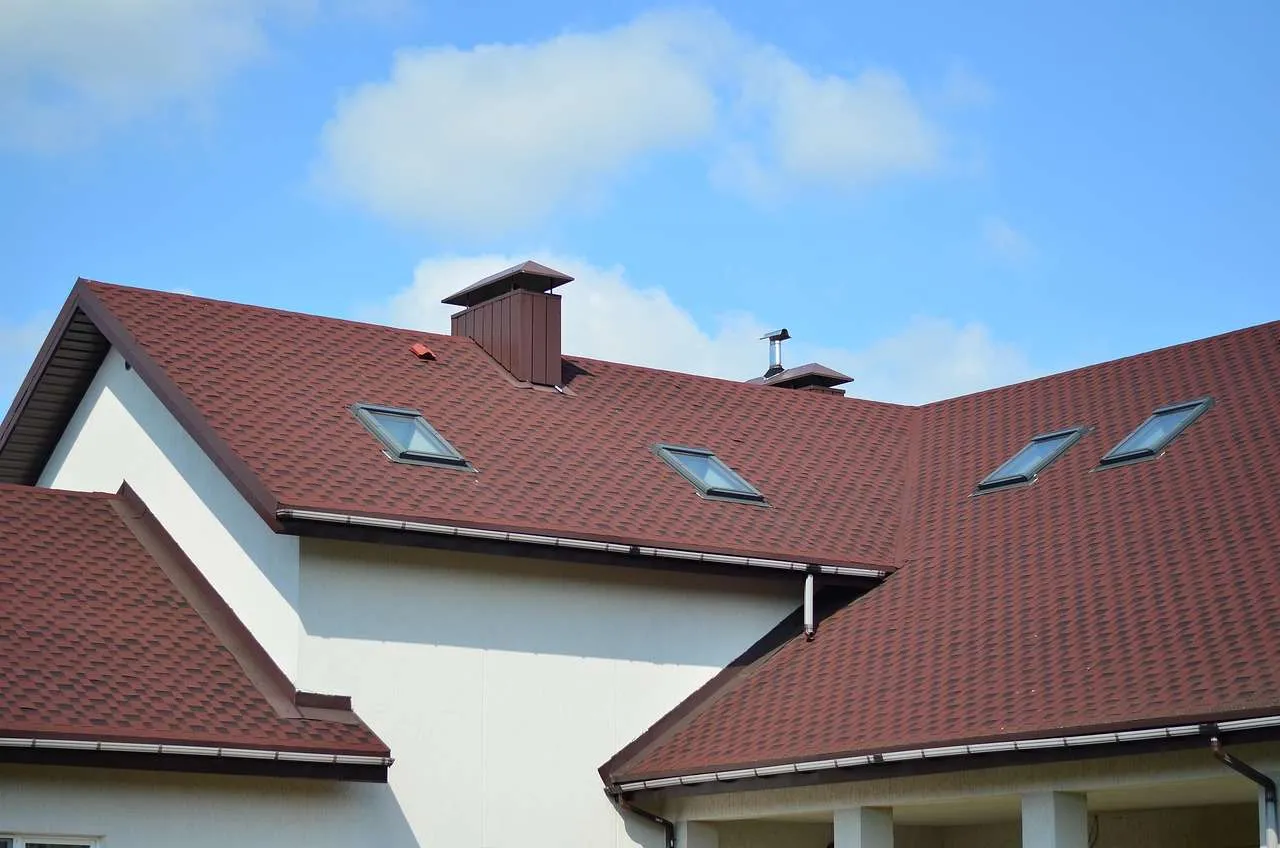
tpo roofing is a widely used single ply roofing option for flat and low slope roofs, offering energy efficiency and reliable performance. This article explains what it is, its benefits, installation, costs, maintenance, and how it compares with other membranes.
What is tpo roofing?
tpo roofing, short for thermoplastic polyolefin, is a popular single ply membrane used on flat and low slope roofs. It combines a durable polymer base with a hot welded seam process that creates watertight joints. TPO membranes are typically white or light colored to reflect sunlight and reduce cooling costs. They are widely used on commercial buildings, and increasingly on residential flat roof projects.
Benefits of tpo roofing
- Energy efficiency through high reflectivity
- Durability and tear resistance under foot traffic and weather
- Cost effectiveness compared with other membranes
- Flexible installation options for various substrates
- Seam integrity with hot air welding
Energy efficiency
The light color reflects solar radiation, lowering roof temperatures and reducing energy use for cooling. In many climates, this can lower cooling costs and improve building comfort.
Durability and maintenance
Most TPO products resist ponding water, hail, and UV exposure when properly installed. With routine inspections and minor repairs, a well installed TPO roof can last 15 to 25 years depending on climate and substrate.
How tpo roofing is installed
Installation methods vary by product and roof type. Common approaches include mechanically fastening, fully adhered, or ballasted systems. The seams are heated to weld together, forming strong, watertight joints. Proper substrate preparation, insulation compatibility, and weather conditions are essential for performance. Following NRCA guidelines and manufacturer instructions helps ensure a safe and durable installation.
Cost, lifespan, and warranties
Installed costs typically range from 5 to 8 dollars per square foot, depending on roof complexity, insulation updates, and regional labor rates. Lifespan often ranges from 15 to 25 years, with proper maintenance and typical manufacturer warranties up to 20 years. Warranty terms vary by manufacturer and contractor; look for material warranty, workmanship coverage, and transferability terms.
Maintenance and repairs
Regular roof inspections twice a year and after major storms help catch seam issues, punctures, or ponding. Clean debris from drains, repair punctures promptly with compatible patches, and avoid walking on delicate areas to prevent damage. A licensed roofer should perform most repairs to maintain warranty coverage.
TPO vs other single-ply membranes
| Membrane | Key Advantage | Typical Cost | Durability | Energy Efficiency | Repairability |
|---|---|---|---|---|---|
| TPO | Energy efficient reflective surface | 5-8 per sq ft installed | 15-25 years | High reflectivity | Seams welded and patchable |
| EPDM | Simple, durable rubber | 4-6 | 20-30 years | Moderate | Patching and covers |
| PVC | Excellent chemical resistance | 6-9 | 20-30 years | Very high | Welded seams |
Choosing a contractor for tpo roofing
Work with an experienced, licensed roofing contractor who specializes in single ply systems. Ask for references, review warranty terms, and verify that the roofer follows manufacturer installation guidelines and local building codes. Get written quotes that specify the system type, warranty details, and post installation maintenance plan. A reputable contractor will provide a pre-installation inspection, a clear scope of work, and a project timeline.
Conclusion
tpo roofing offers a balanced option for flat roofs with energy efficiency, durable seams, and competitive cost. By understanding the system, preparing the substrate, selecting the right contractor, and maintaining the roof, you can expect reliable performance and a longer service life for many commercial and residential projects.
Summary TPO roofing provides a practical blend of cost savings, durability, and energy performance. This article covered what tpo roofing is, its benefits, installation methods, costs, maintenance, and how it compares with other membranes to help you make an informed decision. For best results, consult a licensed professional and follow manufacturer guidelines to ensure a long lasting roof.